

Meet the Psychologist
Licensed clinical psychologist specializing in ADHD, OCD, autism, and anxiety disorders in Uptown Dallas, with virtual services available across Texas.
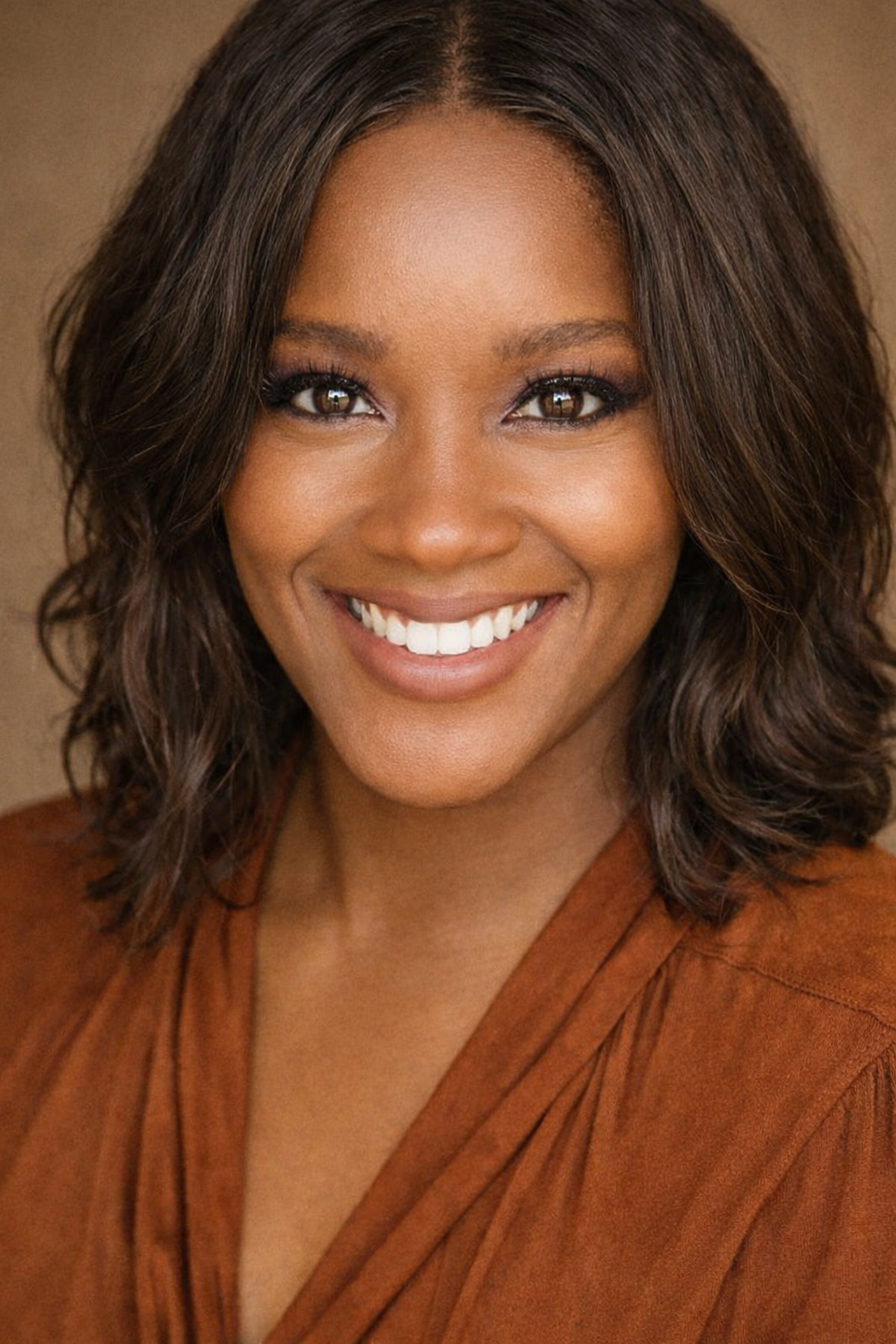
As a neurodivergent psychologist, Dr. Harris recognized early in clinical practice that many traditional therapy models are not consistently adapted to how neurodivergent individuals process information, regulate emotion, and respond to stress. Bridgewell Cognitive Health was founded to provide care that is both clinically rigorous and thoughtfully tailored, integrating evidence-based treatment with a neurodivergent-affirming and individualized framework.
Her approach emphasizes clarity, structure, and precision in both therapy and assessment, allowing for more accurate diagnosis, more targeted intervention, and more sustainable outcomes over time.
Bridgewell Cognitive Health is led by Dr. Nyla Harris, Psy.D., a licensed clinical psychologist providing evidence-based therapy and comprehensive psychological assessment in Dallas for anxiety disorders, OCD, ADHD, autism, and neurodivergent-related challenges across adolescence and adulthood.
Dr. Harris specializes in working with individuals who often appear high-functioning but continue to experience persistent anxiety, intrusive thoughts, emotional overwhelm, or difficulty translating insight into meaningful change. Her work integrates structured, evidence-based approaches with a nuanced understanding of how neurodivergence influences cognition, emotional regulation, and daily functioning.
Background
Dr. Harris has trained and practiced across specialty anxiety and OCD clinics, medical and neuropsychological settings, university counseling centers, and community-based mental health systems. This breadth of experience informs a structured, evidence-based approach to treating anxiety, OCD, ADHD, autism, and complex or co-occurring presentations across adolescence and adulthood in Dallas.
Her work is particularly focused on individuals who continue to experience anxiety, intrusive thoughts, emotional dysregulation, or relational difficulties despite prior therapy. Treatment is designed to address not only symptoms, but also underlying differences in cognition, attention, sensory processing, and emotional regulation that influence how these challenges develop, persist, and respond to treatment.
Approach
Treatment is informed by evidence-based modalities, including cognitive behavioral therapy (CBT), exposure and response prevention (ERP) for OCD and anxiety disorders, acceptance and commitment therapy (ACT), and DBT-informed skills for emotional regulation and interpersonal effectiveness. These approaches are applied in a structured and individualized way, allowing for greater precision and more meaningful progress.
Care is collaborative, goal-oriented, and transparent. Clear treatment goals are established early, with progress reviewed regularly to ensure therapy remains focused and effective. Weekly sessions are often recommended initially to support consistency and momentum, with frequency adjusted over time based on individual needs.
Education
Doctor of Psychology (Psy.D.) in Counseling Psychology-Our Lady of the Lake University, APA-accredited
Master of Education (M.Ed.) in Clinical Mental Health Counseling-Cleveland State University, CACREP-accredited
Bachelor’s Degree in Psychology-Kent State University
Areas of Specialization
Dr. Harris works with teens, adults, and couples in Dallas navigating complex or overlapping concerns, including:
Anxiety disorders, including generalized anxiety, panic disorder, social anxiety, agoraphobia, health anxiety, and phobias
Obsessive-Compulsive Disorder (OCD) and intrusive thoughts
ADHD and executive functioning challenges
Autism and autistic burnout
Co-occurring ADHD and autism (AuDHD)
Body-focused repetitive behaviors (BFRBs), including skin picking and hair pulling
Emotional regulation difficulties, chronic stress, and burnout
Relationship and communication challenges influenced by neurodivergent patterns